Herbal Preparation Methods
for Natural Wellness
Learn beginner-friendly herbal preparation methods including herbal teas, tinctures, infusions, decoctions, oils, salves, and botanical wellness routines inspired by traditional herbal wellness practices and natural living traditions.
Herbal Poultices
Learn how herbal poultices are traditionally prepared using crushed herbs, botanical pastes, and natural plant materials applied externally for wellness support and traditional herbal care practices.
Poultice Preparation for Natural Herbal Wellness
Learn how to prepare a traditional herbal poultice using natural herbs, botanical ingredients, and simple wellness preparation methods commonly used in herbal wellness traditions for skin comfort, irritation support, and plant-based self-care routines.
What Is a Herbal Poultice?
A herbal poultice is a soft herbal paste or warmed herbal mixture applied directly to the skin using clean cloth, gauze, or natural fabric. Traditional herbal wellness systems have used poultices for generations as part of natural wellness routines, botanical skin support practices, and plant-based comfort methods.
Herbal poultices are commonly prepared using crushed fresh herbs, soaked dried herbs, herbal infusions, or warm botanical mixtures designed to support natural wellness and external herbal care routines.
🌿 What You Need
- Fresh herbs or dried herbal ingredients
- Warm or hot water
- Mortar and pestle or spoon for crushing herbs
- Clean cloth, gauze, or muslin fabric
- Small bowl for herbal preparation
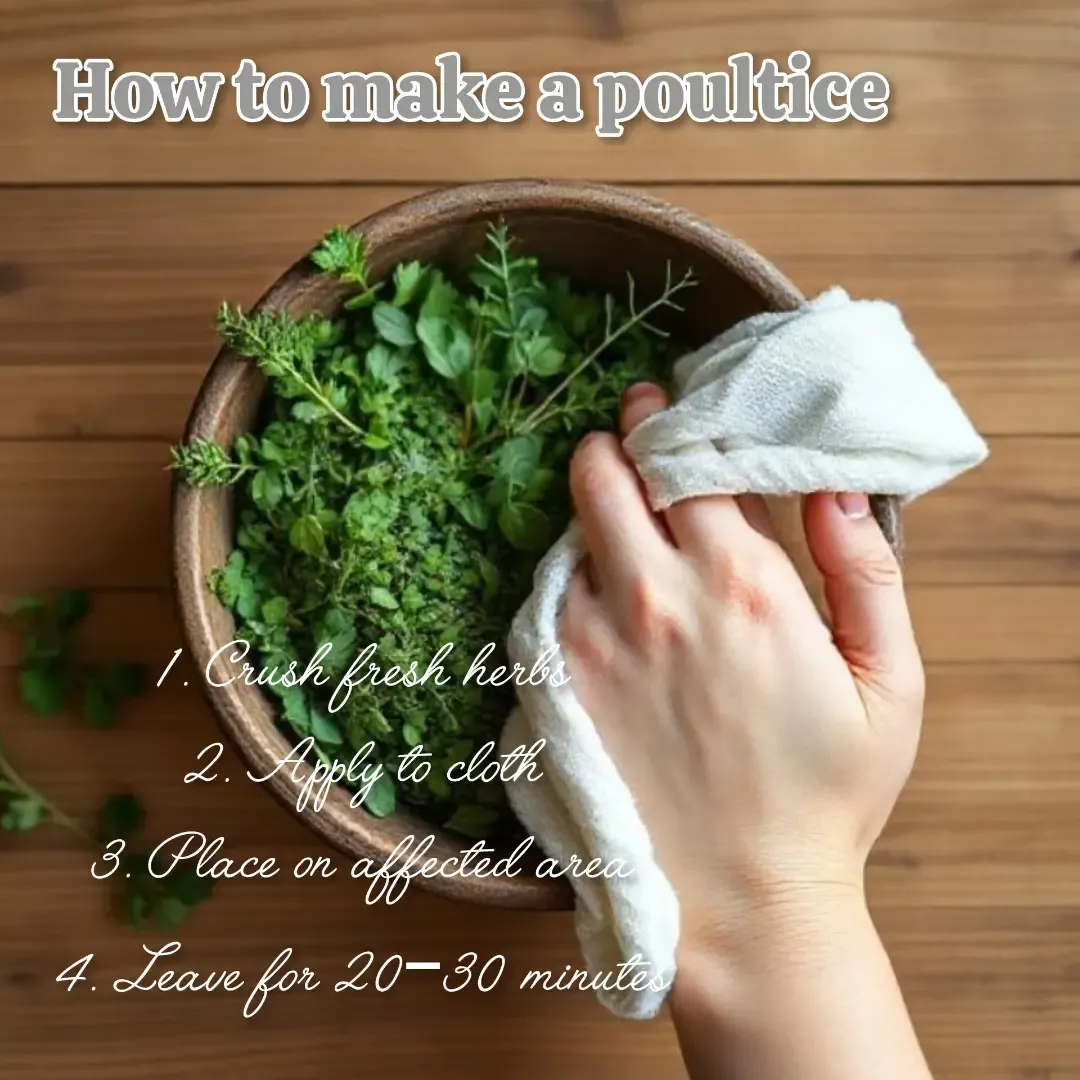
📝 How to Make a Herbal Poultice
- Wash and prepare your herbs thoroughly.
- Crush fresh herbs into a soft herbal paste.
- If using dried herbs, soak them in warm water until softened.
- Place the herbal mixture inside clean cloth or gauze.
- Apply gently to the desired external area.
- Leave in place for approximately 20–30 minutes.
- Remove carefully and clean the area afterward.
🌱 Common Herbal Poultice Uses
Traditional herbal wellness education often discusses poultices as part of natural wellness and botanical self-care systems. Herbal poultices are commonly associated with:
- Skin comfort routines
- Natural wellness support
- Herbal relaxation practices
- Plant-based external applications
- Botanical self-care traditions
🌿 Explore More Herbal Preparation Methods
Discover beginner-friendly herbal wellness education covering herbal teas, tinctures, herbal oils, decoctions, detox systems, botanical skincare, and traditional herbal preparation methods inside the Herbal Circle wellness library.
Poultice Preparation FAQs
What herbs are commonly used in poultices?
Traditional herbal wellness systems often use herbs such as plantain, comfrey, turmeric, ginger, calendula, and chamomile in external herbal preparation methods.
Can dried herbs be used in a herbal poultice?
Yes. Dried herbs are commonly softened using warm water before being prepared into herbal poultices.
How long should a poultice stay on the skin?
Many traditional herbal wellness routines recommend leaving a poultice in place for approximately 20–30 minutes depending on comfort and preparation method.
Disclaimer
Herbal Circle provides herbal wellness education and informational content only. This information is not intended to diagnose, treat, cure, or prevent any disease. Always consult a qualified healthcare professional before using herbs, botanical ingredients, or changing your wellness or healthcare routines.
Herbal Infusions & Teas
Discover traditional herbal infusion and herbal tea preparation methods using leaves, flowers, roots, and botanical ingredients for natural wellness routines and plant-based lifestyle support.
Herbal Infusion Preparation for Natural Wellness
Learn how to prepare traditional herbal infusions and herbal teas using botanical ingredients, dried herbs, medicinal plants, and gentle steeping methods commonly used in natural wellness routines and holistic herbal lifestyle practices.
What Is a Herbal Infusion?
A herbal infusion is a gentle herbal tea preparation made by steeping soft plant materials such as leaves, flowers, and delicate herbs in hot water. Herbal infusions are one of the most common herbal preparation methods used in traditional herbal wellness systems and botanical self-care routines.
Herbal teas and infusions are often prepared using calming herbs, aromatic botanicals, detox herbs, and wellness-supporting plant ingredients designed to encourage relaxation, hydration, and natural wellness balance.
🌿 Best Herbs for Herbal Infusions
- Mint
- Chamomile
- Lavender
- Lemon Balm
- Hibiscus
- Rosemary
- Holy Basil
- Green Tea Herbs
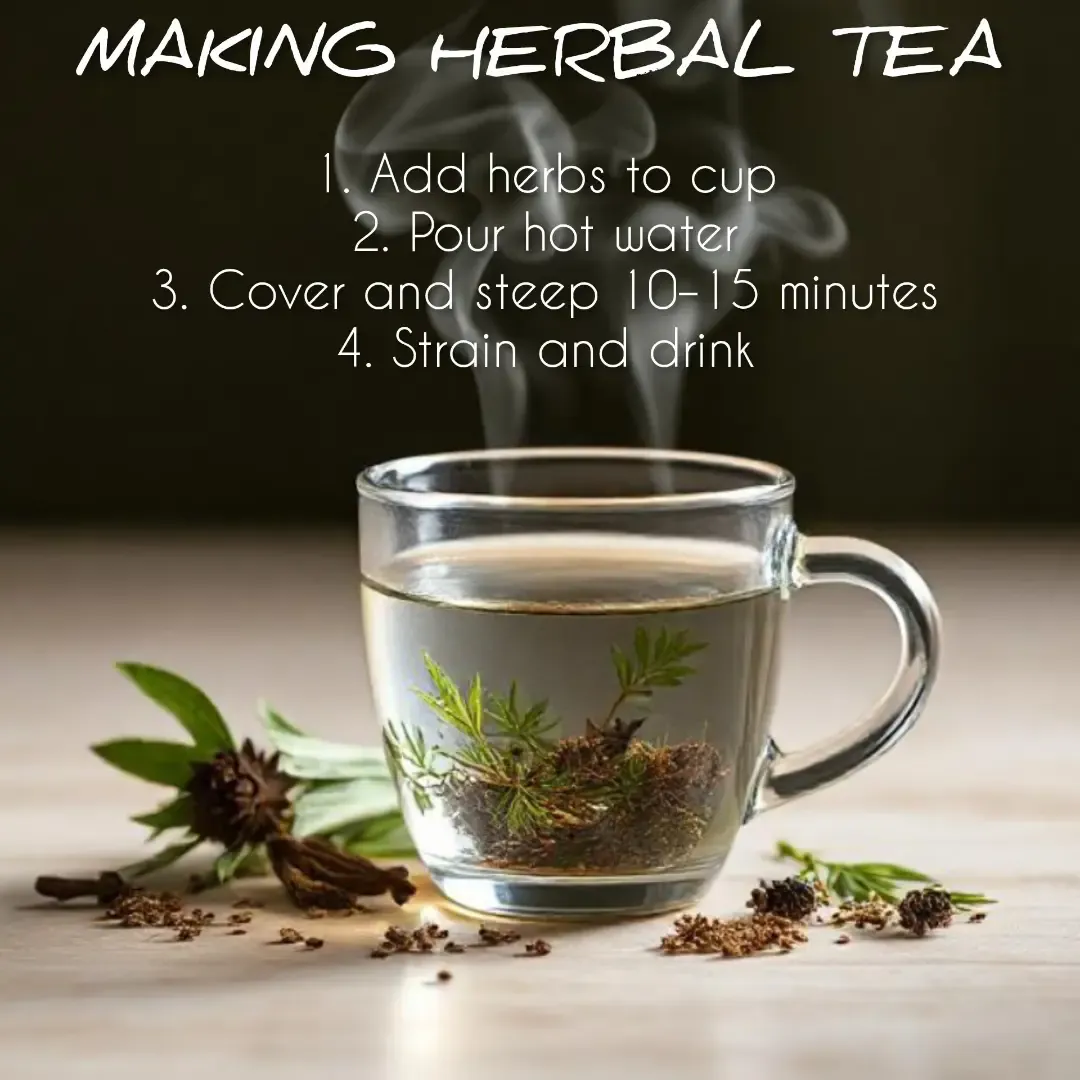
📝 How to Make a Herbal Infusion
- Add 1–2 teaspoons of dried herbs into a cup or teapot.
- Heat fresh water until hot but not aggressively boiling.
- Pour hot water over the herbs.
- Cover the cup or teapot to preserve herbal oils and aromas.
- Allow the herbs to steep for approximately 10–15 minutes.
- Strain the herbs and enjoy the infusion warm.
🍵 Common Herbal Tea Wellness Uses
Traditional herbal wellness education commonly associates herbal teas and botanical infusions with:
- Relaxation and calming wellness routines
- Natural hydration support
- Evening wellness rituals
- Herbal detox lifestyle systems
- Plant-based self-care habits
- Daily herbal wellness education
🌿 Explore More Herbal Tea & Wellness Guides
Discover beginner-friendly herbal wellness education covering herbal teas, detox drinks, herbal oils, tinctures, decoctions, botanical skincare systems, and traditional plant-based wellness methods inside the Herbal Circle library.
Herbal Infusion FAQs
What herbs are best for herbal teas and infusions?
Soft herbs and flowers such as chamomile, mint, lavender, lemon balm, and hibiscus are commonly used in herbal infusion preparation methods.
Why should herbal infusions be covered while steeping?
Covering herbal infusions helps preserve aromatic herbal oils, botanical compounds, and the natural fragrance of the herbs during steeping.
How long should herbs steep in hot water?
Most traditional herbal tea preparation methods recommend steeping herbs for approximately 10–15 minutes depending on the herb type and desired strength.
Disclaimer
Herbal Circle provides herbal wellness education and informational content only. This information is not intended to diagnose, treat, cure, or prevent any disease. Always consult a qualified healthcare professional before using herbs, botanical ingredients, or changing your wellness or healthcare routines.
Herbal Tinctures
Learn traditional tincture preparation methods using botanical extracts, herbal soaking processes, and concentrated plant infusions commonly used in herbal wellness traditions.
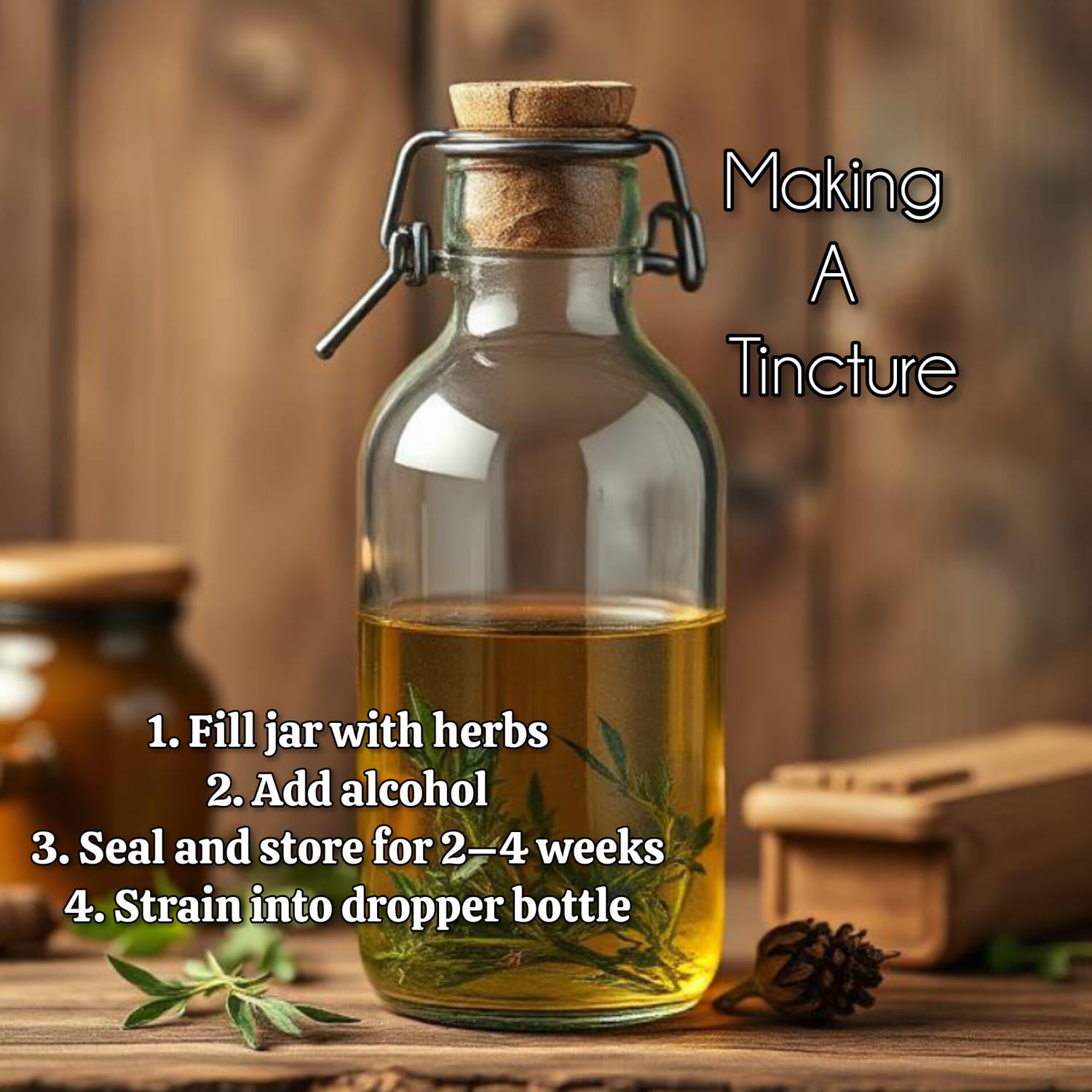
Herbal Tincture Preparation for Natural Wellness
Learn how traditional herbal tinctures are prepared using dried herbs, botanical ingredients, alcohol extraction methods, and concentrated herbal wellness techniques commonly used in herbal wellness education and natural plant-based preparation systems.
What Is a Herbal Tincture?
A herbal tincture is a concentrated botanical extract traditionally prepared by soaking herbs in alcohol or another preserving liquid over an extended period of time. Herbal tinctures are widely used in traditional herbal wellness systems because they help preserve plant compounds and create long-lasting herbal preparations.
Tincture preparation methods are commonly associated with herbal wellness education, botanical extraction techniques, traditional plant preservation systems, and concentrated herbal support routines used in holistic natural wellness traditions.
🌿 What You Need
- Dried herbs or botanical ingredients
- Clean glass jar with lid
- Alcohol such as vodka for extraction
- Dropper bottles or storage containers
- Fine strainer or cheesecloth
- Labels for herbal preparation storage
📝 How to Make a Herbal Tincture
- Fill a clean glass jar with dried herbs.
- Pour alcohol over the herbs until completely covered.
- Seal the jar tightly using a secure lid.
- Store in a cool, dark place for approximately 2–4 weeks.
- Shake the jar gently every few days during storage.
- Strain the herbal liquid using cheesecloth or fine mesh.
- Transfer the finished tincture into clean dropper bottles.
- Label and store appropriately.
🌱 Traditional Herbal Tincture Uses
Traditional herbal wellness education commonly associates tinctures with:
- Concentrated herbal wellness preparation methods
- Long-term herbal storage systems
- Botanical extraction techniques
- Plant-based wellness traditions
- Portable herbal wellness routines
- Traditional herbal preservation methods
🧴 Traditional Tincture Usage
Traditional herbal wellness systems commonly describe tinctures as concentrated herbal preparations often used in very small amounts diluted in water or herbal tea.
🌿 Explore More Herbal Preparation Methods
Discover herbal tinctures, herbal teas, decoctions, herbal oils, botanical wellness systems, detox education, and plant-based preparation methods inside the Herbal Circle herbal wellness library.
Herbal Tincture FAQs
Why is alcohol commonly used in herbal tinctures?
Alcohol is traditionally used in herbal tincture preparation because it helps extract and preserve botanical compounds from herbs over long periods of time.
How long should tinctures steep before use?
Many traditional herbal tincture methods recommend storing tinctures for approximately 2–4 weeks while shaking occasionally during the extraction process.
How are tinctures traditionally used?
Traditional herbal wellness systems commonly describe tinctures as concentrated herbal preparations often diluted in water or herbal tea before use.
Disclaimer
Herbal Circle provides herbal wellness education and informational content only. This information is not intended to diagnose, treat, cure, or prevent any disease. Always consult a qualified healthcare professional before using herbs, botanical ingredients, alcohol-based herbal preparations, or changing your wellness or healthcare routines.
Herbal Oils
Explore herbal oil infusion methods, botanical skincare traditions, and plant-based oil preparation techniques commonly used in natural wellness and herbal beauty routines.
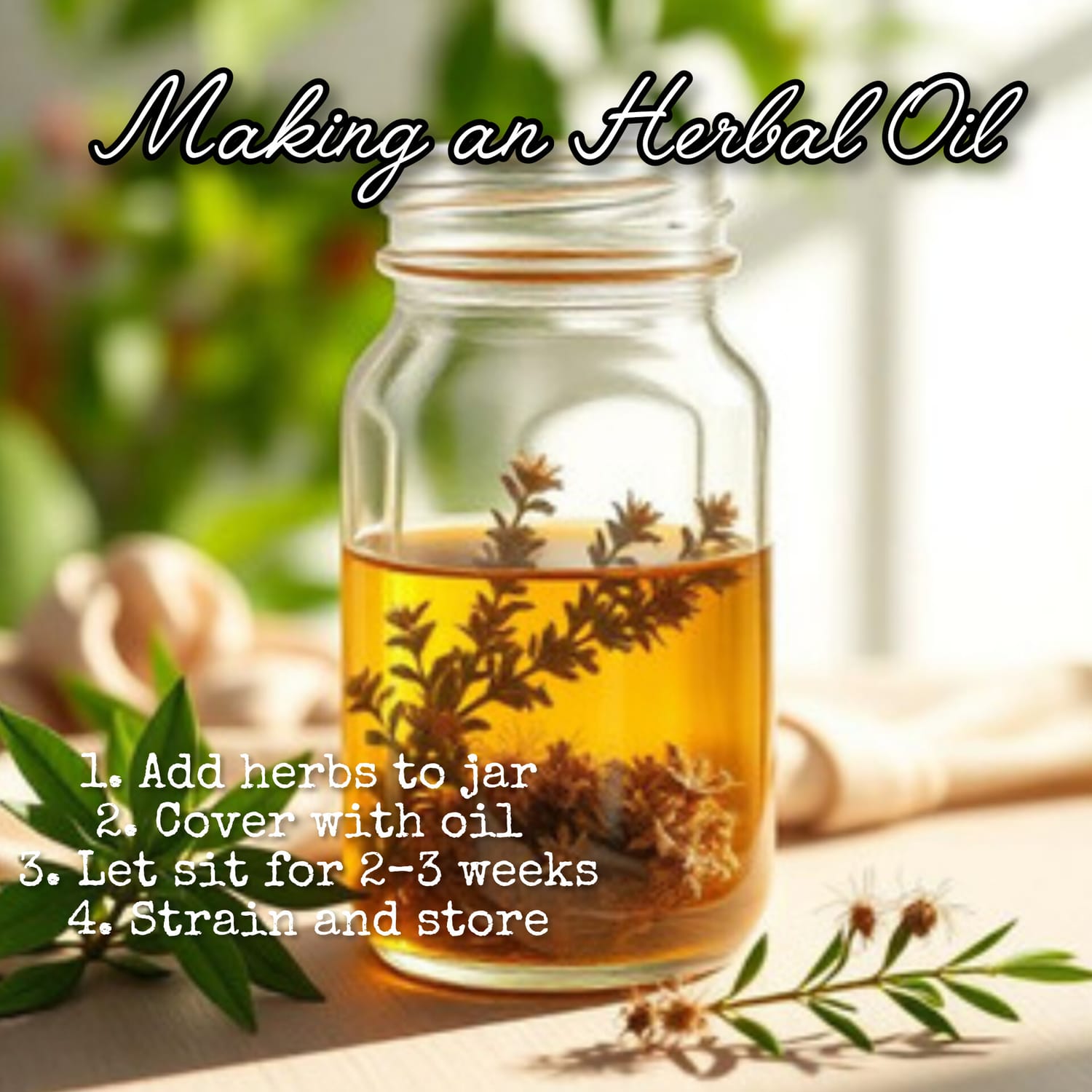
Herbal Oil Preparation for Natural Wellness
Learn how traditional herbal oils are prepared using botanical herbs, carrier oils, herbal infusion methods, and plant-based wellness techniques commonly used in natural skincare, massage wellness routines, and herbal self-care traditions.
What Is Herbal Oil?
Herbal oil is a botanical preparation created by slowly infusing herbs into carrier oils such as olive oil, coconut oil, sunflower oil, or almond oil. Traditional herbal wellness systems commonly use herbal oils as part of external herbal wellness routines, botanical skincare practices, and natural self-care preparation methods.
Herbal oils are often associated with massage wellness, natural beauty systems, herbal skin support, aromatherapy traditions, and plant-based skincare preparation methods used throughout holistic wellness education.
🌿 What You Need
- Dried herbs or botanical flowers
- Olive oil, coconut oil, or another carrier oil
- Clean glass jar with lid
- Fine strainer or cheesecloth
- Clean storage container or bottle
- Labels for storage and organization
📝 How to Make Herbal Oil
- Place dried herbs into a clean glass jar.
- Pour carrier oil over the herbs until fully covered.
- Seal the jar tightly using a clean lid.
- Store the jar in a warm location for approximately 2–3 weeks.
- Shake gently every few days during infusion.
- Strain the herbs from the oil using cheesecloth or fine mesh.
- Transfer the finished herbal oil into a sealed container.
- Store in a cool, dry location away from direct sunlight.
🌱 Traditional Herbal Oil Wellness Uses
Traditional herbal wellness education commonly associates herbal oils with:
- Natural skincare wellness routines
- Botanical massage preparation methods
- Plant-based beauty systems
- Herbal self-care traditions
- External herbal wellness applications
- Natural aromatherapy and relaxation rituals
🫒 Traditional Herbal Oil Uses
Herbal oils are traditionally used for massage wellness, botanical skincare routines, external herbal applications, hair care systems, and plant-based beauty wellness practices.
🌿 Explore More Herbal Wellness Methods
Discover herbal oils, herbal teas, tinctures, botanical skincare systems, detox wellness education, herbal beauty business training, and traditional herbal preparation methods inside the Herbal Circle wellness library.
Herbal Oil FAQs
Why are dried herbs commonly used in herbal oils?
Dried herbs are often preferred in herbal oil preparation because they contain less moisture, helping reduce spoilage during the infusion process.
What oils are commonly used for herbal oil infusions?
Traditional herbal wellness systems commonly use olive oil, coconut oil, sunflower oil, almond oil, and jojoba oil as carrier oils for botanical infusions.
How are herbal oils traditionally used?
Herbal oils are traditionally associated with massage wellness, external skincare routines, hair care methods, botanical beauty systems, and herbal self-care practices.
Disclaimer
Herbal Circle provides herbal wellness education and informational content only. This information is not intended to diagnose, treat, cure, or prevent any disease. Always consult a qualified healthcare professional before using herbs, botanical ingredients, oils, or changing your wellness or healthcare routines.
Herbal Decoctions
Understand herbal decoction methods traditionally used for roots, bark, seeds, and dense botanical ingredients through slow simmering preparation techniques for herbal wellness education.
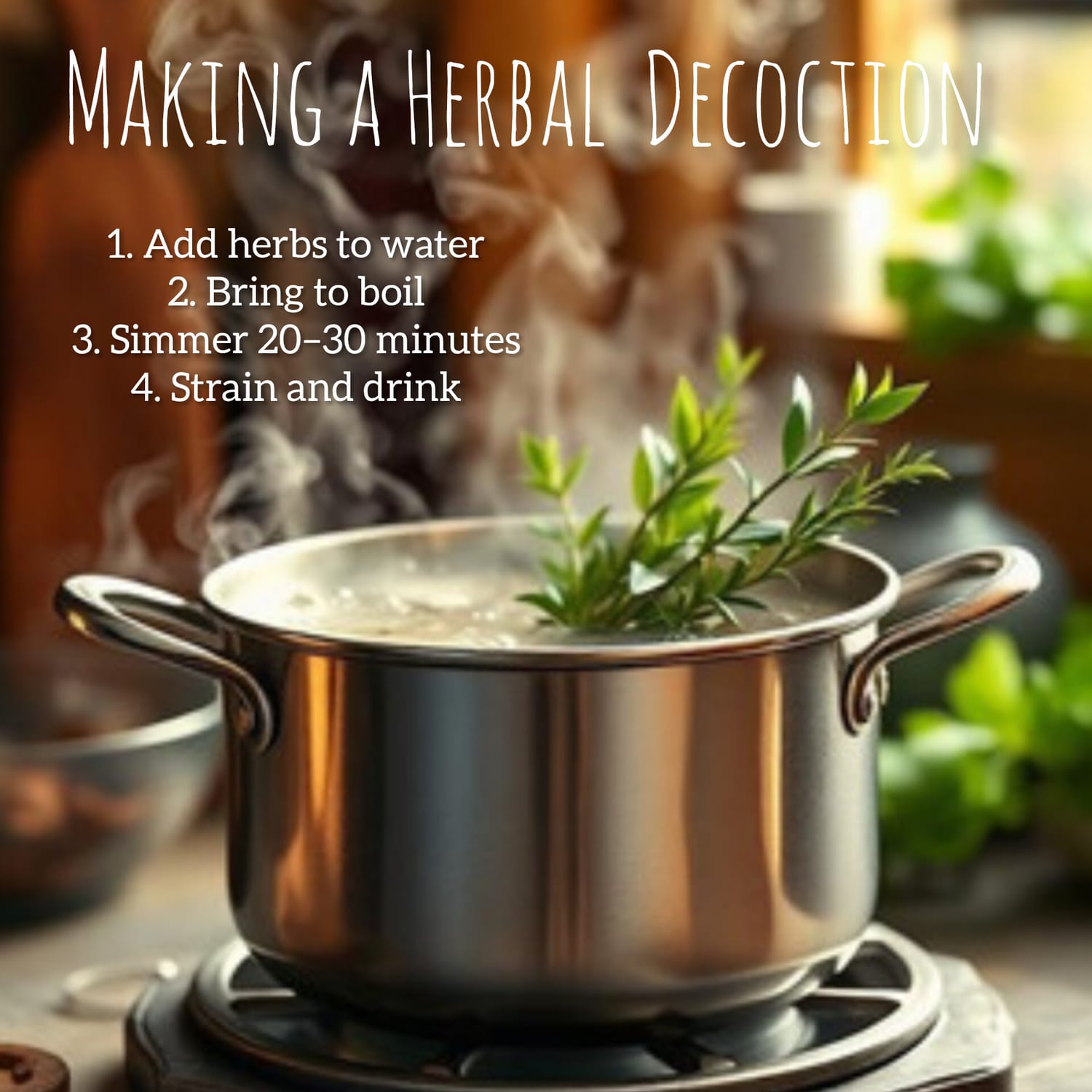
Herbal Decoction Preparation for Natural Wellness
Learn how traditional herbal decoctions are prepared using roots, bark, seeds, and other hard plant materials through slow simmering methods used in natural wellness, herbal medicine traditions, detox support systems, and plant-based healing practices.
What Is a Herbal Decoction?
A herbal decoction is a traditional preparation method used to extract plant compounds from hard herbal materials such as roots, bark, seeds, and woody stems. Unlike infusions, decoctions use gentle boiling and simmering to release deeper plant constituents.
Decoctions are commonly used in traditional herbal wellness systems, botanical medicine practices, and natural health education for their ability to draw out strong herbal properties from dense plant materials.
🌿 What You Need
- Roots (ginger, burdock, etc.)
- Bark (cinnamon, slippery elm, etc.)
- Seeds and tough plant materials
- Fresh clean water
- Cooking pot with lid
- Strainer or fine mesh cloth
📝 How to Make a Herbal Decoction
- Add herbal roots, bark, or seeds into a pot of water.
- Bring the mixture to a gentle boil.
- Reduce heat and simmer for 20–30 minutes.
- Allow the herbal compounds to slowly extract into the water.
- Remove from heat and let it cool slightly.
- Strain the liquid using a fine mesh or cloth.
- Store or use the decoction while fresh for best results.
🌱 Traditional Herbal Decoction Uses
Herbal decoctions are traditionally associated with:
- Traditional herbal wellness preparation systems
- Plant-based extraction of strong herbal compounds
- Natural detox and cleansing traditions
- Herbal tea concentrates from roots and bark
- Holistic wellness and botanical education practices
🍲 Traditional Decoction Insight
Decoctions are best suited for hard plant materials because slow simmering helps extract deeper phytochemical compounds that cannot be released through simple steeping.
🌿 Explore More Herbal Preparation Methods
Discover herbal oils, infusions, tinctures, poultices, detox systems, and herbal wellness education inside the Herbal Circle natural wellness library.
Herbal Decoction FAQs
Why are decoctions used instead of infusions?
Decoctions are used when extracting compounds from hard plant materials like roots and bark, which require heat and longer simmering times.
How long can a decoction be stored?
For best quality, decoctions are traditionally used fresh within 24–48 hours.
What plants are best for decoctions?
Common examples include ginger root, cinnamon bark, turmeric root, and other hard medicinal plants.
Disclaimer
Herbal Circle provides herbal wellness education and informational content only. This information is not intended to diagnose, treat, cure, or prevent any disease. Always consult a qualified healthcare professional before using herbs or changing your wellness routine.